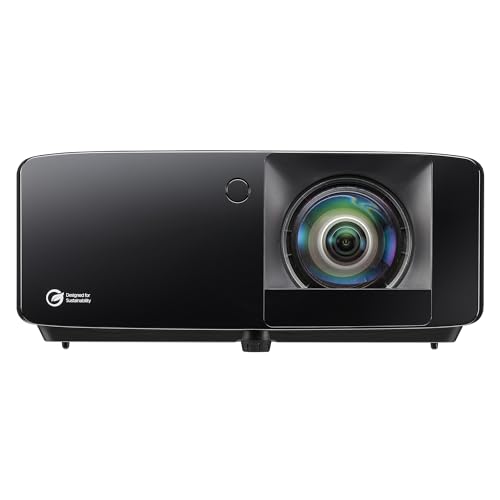

You have finally set up your dream projector, but the image looks washed out on a blank wall. A quality projector screen is the missing piece that transforms casual movie nights into a true cinematic experience. Whether you are building a dedicated home theater or need a flexible screen for indoor and outdoor use, choosing the right surface matters. This guide covers the best projector screens for home theater in 2026, from premium fixed frame models to portable options that deliver stunning 4K visuals. If you are also looking for a projector to pair with your screen, check out our guide on the best projectors under $1000 for home theater.





Buying Guide: What to Look for in a Projector Screen
Screen Material and Gain
The screen material directly affects brightness and color accuracy. Most home theater screens use a matte white fabric with a gain of 1.0 to 1.2. A gain of 1.1, found on models like the Silver Ticket Products STR Series 6 Piece Home, provides a balanced boost in brightness without washing out blacks. For rooms with ambient light, a higher gain screen can help, but it may narrow the viewing angle. For dedicated dark rooms, a lower gain material with a wide viewing angle is ideal.
Screen Size and Aspect Ratio
Measure your room and seating distance before choosing a screen size. A 100-inch diagonal screen is great for medium rooms, while 120 to 150 inches suits larger spaces. The standard 16:9 aspect ratio matches most movies and TV shows. Fixed frame screens like the Silver Ticket Products STR Series 6 Piece Home offer a permanent, wrinkle-free surface, while portable screens with stands give you flexibility. For smaller spaces, consider a short throw projector to avoid shadows.
Installation and Mounting
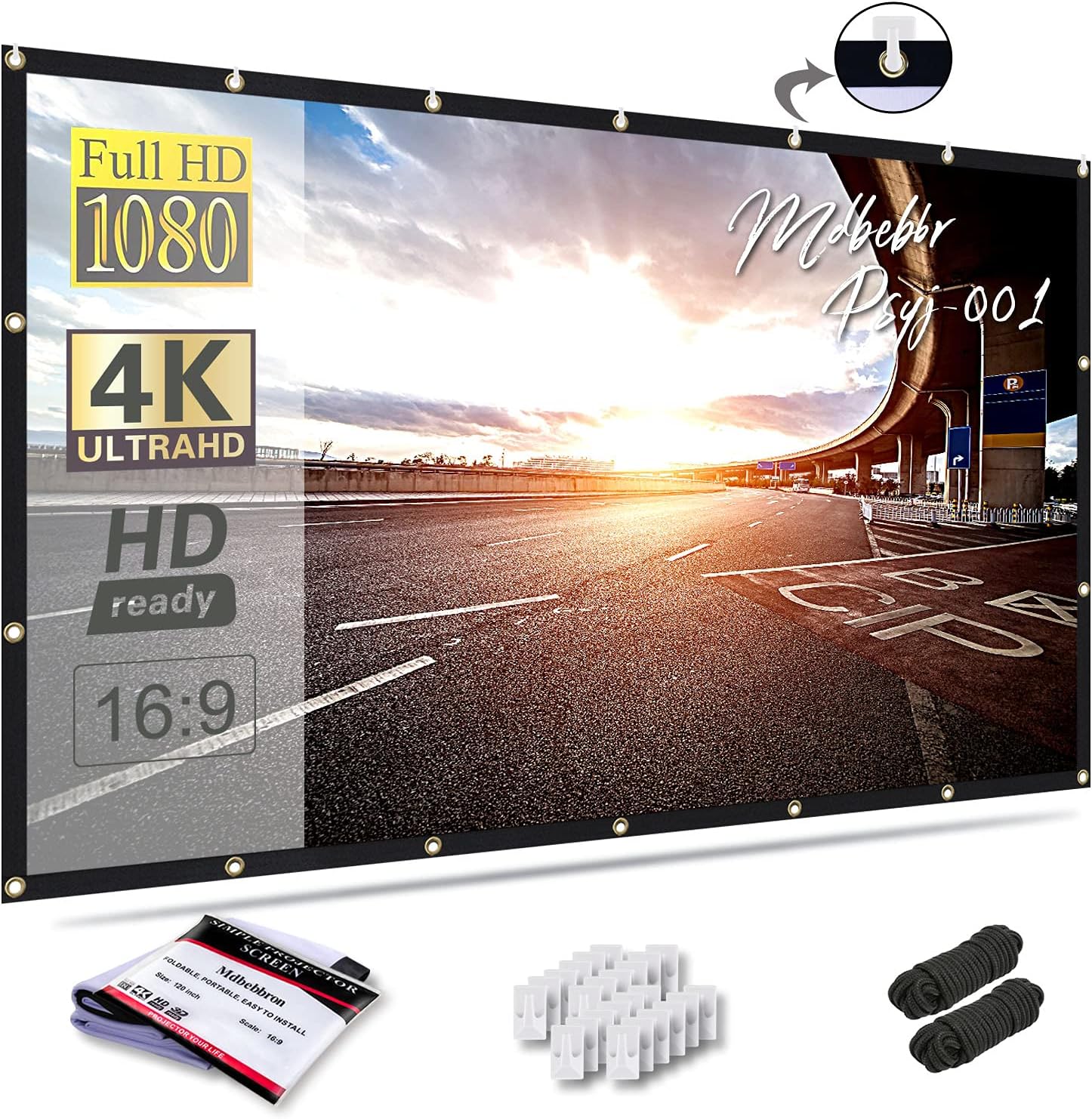
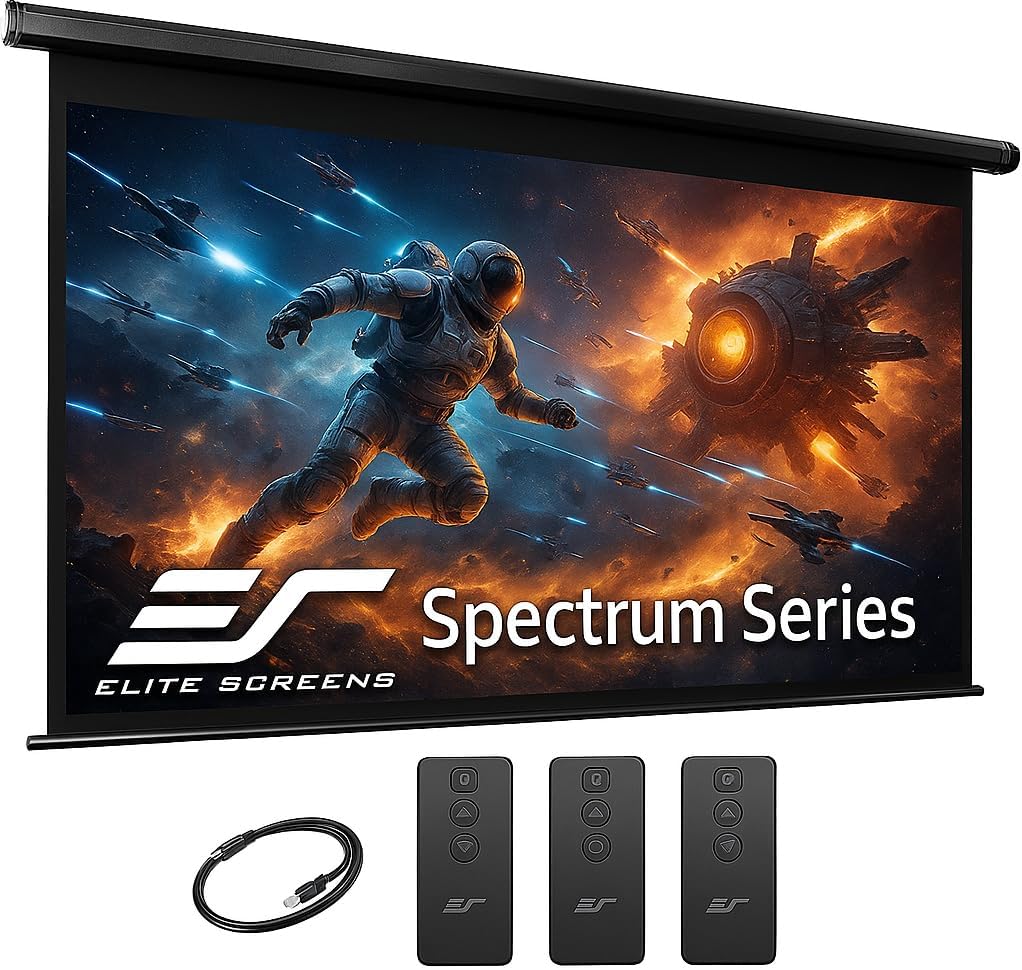
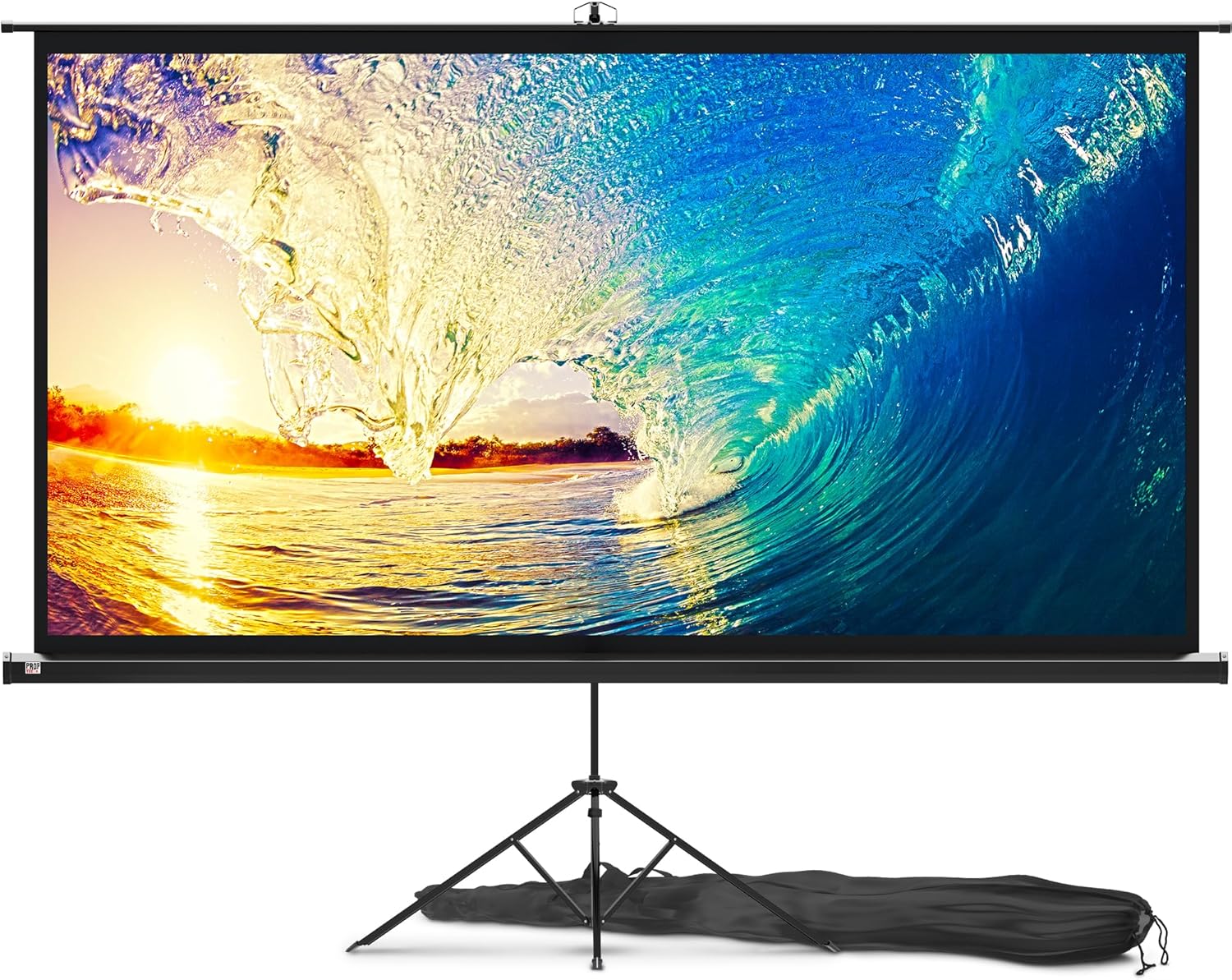
Fixed frame screens require wall mounting and are best for permanent setups. They come with a sleek aluminum frame wrapped in velvet to absorb light and enhance contrast. Manual pull-down screens, like the Elite Screens Manual B, 100-INCH Manual Pull Down, are easier to install and retract when not in use. Portable screens with tripod stands are tool-free and set up in minutes, making them perfect for outdoor movie nights. If you plan to move your screen often, look for a model with a carry bag and windproof accessories.
Compatibility with Projectors
Not all screens work with every projector type. Standard long-throw projectors are compatible with most screens, but ultra-short-throw (UST) projectors require special screen materials to avoid hotspots and image distortion. Some fixed frame screens, like the Silver Ticket STR series, are not recommended for UST projectors. Always check the screen specifications before buying. For a seamless setup, pair your screen with a laser projector for vibrant colors and long lamp life.
Final Thoughts
Choosing the right projector screen depends on your space, projector type, and how you plan to use it. For a permanent home theater with stunning 4K performance, the Silver Ticket Products STR Series 6 Piece Home delivers a premium fixed frame experience with a wide viewing angle and easy assembly. If you need a versatile screen for both indoor and outdoor use, the 150 inch Projector Screen with Stand offers a large, wrinkle-free surface with a stable stand and windproof design, making it ideal for backyard movie nights and camping trips.
Frequently Asked Questions
What size projector screen should I get for my home theater?
The ideal screen size depends on your room dimensions and seating distance. A general rule is to choose a screen width that is about one-third of your viewing distance. For most home theaters, a 100 to 135 inch diagonal screen works well. Measure your space and use an online calculator to find the best fit for 2026.
Can I use a portable projector screen outdoors?
Yes, many portable screens are designed for outdoor use. Look for models with a sturdy stand, windproof accessories like ground stakes and sandbags, and a wrinkle-resistant fabric. Screens like the 150 inch Projector Screen with Stand are built for backyard movie nights and camping. For more tips, read our guide on the best projector for outdoor movies.
What is the difference between a fixed frame and a pull-down screen?
A fixed frame screen is a permanent installation with a taut fabric stretched over a rigid frame, offering the best image quality and no wrinkles. A pull-down screen retracts into a housing when not in use, saving space and protecting the screen. Fixed frames are ideal for dedicated theaters, while pull-down screens work well in multi-purpose rooms.
Do I need a special screen for an ultra-short-throw projector?
Yes, ultra-short-throw projectors require a screen with a special optical coating or a specific gain to prevent hotspots and ensure even brightness. Many standard screens, including some fixed frame models, are not compatible. Always check the manufacturer’s recommendations before purchasing a screen for a UST projector.