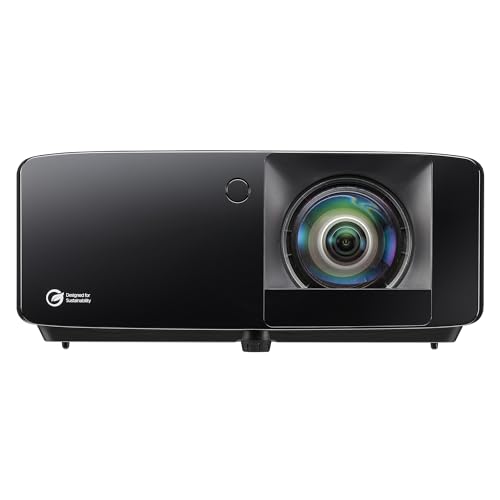

You finally got that projector, but every movie night feels like a compromise. The image washes out when the sun is up, the screen wrinkles after a few weeks, or the frame looks bulky and cheap. If you want a setup that just works, day after day, a fixed frame screen is the answer. In this guide, we break down the best fixed frame screens for everyday use, covering everything from DIY window screen kits to high-end ambient light rejecting (ALR) models for your home theater.
We’ve evaluated seven top contenders, focusing on what matters for daily viewing: durability, ease of installation, and picture quality in real-world lighting. Whether you’re a casual movie watcher or a dedicated home theater fan, you’ll find a screen that fits your needs and budget. For more context on how these screens handle bright rooms, check our best ALR screens for the money guide.




Buying Guide: What to Look for in a Fixed Frame Screen
Choosing a fixed frame screen isn’t just about picking the biggest one you can afford. You need to consider the room’s lighting, the projector’s throw ratio, and the screen’s material. Here are the key criteria we used to evaluate these products.
Screen Material and Gain
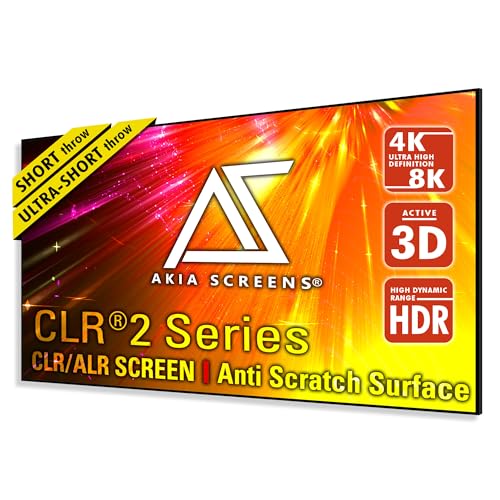
The screen surface determines how light is reflected back to you. A matte white screen with a gain of 1.0 is standard, but if you watch in a bright room, look for an ambient light rejecting (ALR) screen. ALR screens, like the Akia Screens ALR Projector Screen 103 Inch, have a special optical coating that absorbs overhead light and enhances contrast. For a brighter image, a higher gain (like 1.3 on the Akia Screens 125 inch) can help, but it may narrow the viewing angle.
Frame Design and Build Quality
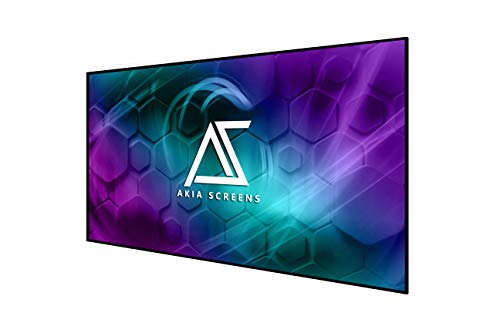
A fixed frame screen should be lightweight yet rigid. Look for aluminum frames that resist bending and warping. The Prime-Line MP14071 Aluminum Screen Frame is a great example for DIY window screens, offering a cambered design to prevent bowing. For home theater screens, an edge-free design, like the Akia Screens 100 Inch, gives a sleek, modern look and maximizes the perceived screen size. Also, consider the thickness of the frame; a thinner profile blends better with your decor.
Installation and Maintenance
You don’t want a screen that takes a weekend to set up. Look for screens that come with all necessary hardware and clear instructions. The NexiGo 100-Inch Fresnel Projector Screen includes sliding wall mount brackets for easy centering. For DIY kits, like the 2-Set DIY Window Screen Frame Kit, ensure it includes a spline roller and utility knife. Cleaning is also important: a scratch-resistant surface that you can wipe with mild soap and water is ideal for everyday use.
For more insights on setting up a projector in a bright room, our guide on best smart projector for outdoor movies offers practical tips that also apply indoors.
Final Thoughts
After reviewing these options, we think the Akia Screens ALR Projector Screen 103 Inch 16:9 is the best overall for everyday use in a bright living room, thanks to its CLR2 technology that rejects overhead light and its edge-free design. For a more budget-friendly option that still delivers excellent picture quality, the Akia Screens 100 Inch Edge Free Fixed Frame is a solid choice, offering a 1.3 gain surface that works well with most projectors. Both screens are easy to install and built to last, making them perfect for daily movie nights and TV shows.
Frequently Asked Questions
What is a fixed frame screen?
A fixed frame screen is a projection screen that is permanently stretched over a rigid frame and mounted to a wall. Unlike pull-down or motorized screens, it has no moving parts, which means a perfectly flat surface and no wrinkles. This makes it ideal for dedicated home theaters or living rooms where you want a permanent, high-quality display.
Can I use a fixed frame screen in a bright room?
Yes, but you should choose a screen with ambient light rejecting (ALR) technology. ALR screens, like the Akia Screens ALR Projector Screen 103 Inch, are designed to block overhead and ambient light, improving contrast and color saturation even with the lights on. For the best results in a bright room, pair an ALR screen with a short throw or ultra-short-throw projector.
How do I clean a fixed frame screen?
Most fixed frame screens have a durable, scratch-resistant surface that can be cleaned with a soft microfiber cloth and mild soapy water. Avoid using abrasive cleaners or rough materials that could scratch the screen. Gently wipe the surface in a straight motion, and let it air dry. For screens with a special coating, like ALR or Fresnel, always check the manufacturer’s instructions.
Are fixed frame screens difficult to install?
Most fixed frame screens come with a complete installation kit, including brackets and hardware. The installation process typically takes about 30 minutes to an hour, depending on the size and your DIY skills. The Akia Screens 100 Inch, for example, features a 6-piece split aluminum frame that is easy to assemble. For DIY window screen kits, like the 2-Set DIY Window Screen Frame Kit, you’ll need a metal-cutting saw, but the included manual guides you through the process.
For more on optimizing your home theater, see our best 4K projector for home theater guide.