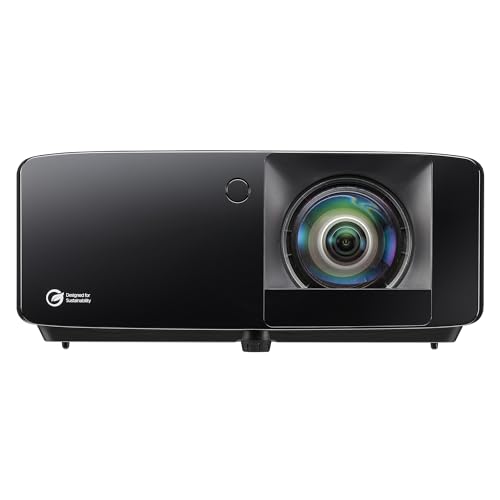

Picture this: you’ve dimmed the lights, grabbed the popcorn, and settled into your favorite spot. But when the movie starts, the image on your wall looks dull and washed out. The culprit? A poor-quality projector screen. Choosing the right screen can transform your viewing experience, making colors pop and details crisp. This guide covers the best projector screens for home cinema in 2026, focusing on portability, ease of setup, and image quality. Whether you’re a movie buff or a casual viewer, we have a pick for you. For a deeper dive into fixed-frame options, check out our best projector screen for home theater guide.


Buying Guide: What to Look for in a Home Cinema Screen
Screen Material and Surface
The material of the screen determines how light reflects back to you. High-quality fabrics like polyester or milk silk offer a smooth, wrinkle-resistant surface that enhances brightness and contrast. Look for screens that are described as “anti-crease” or “thickened” to avoid annoying folds that distort the image.
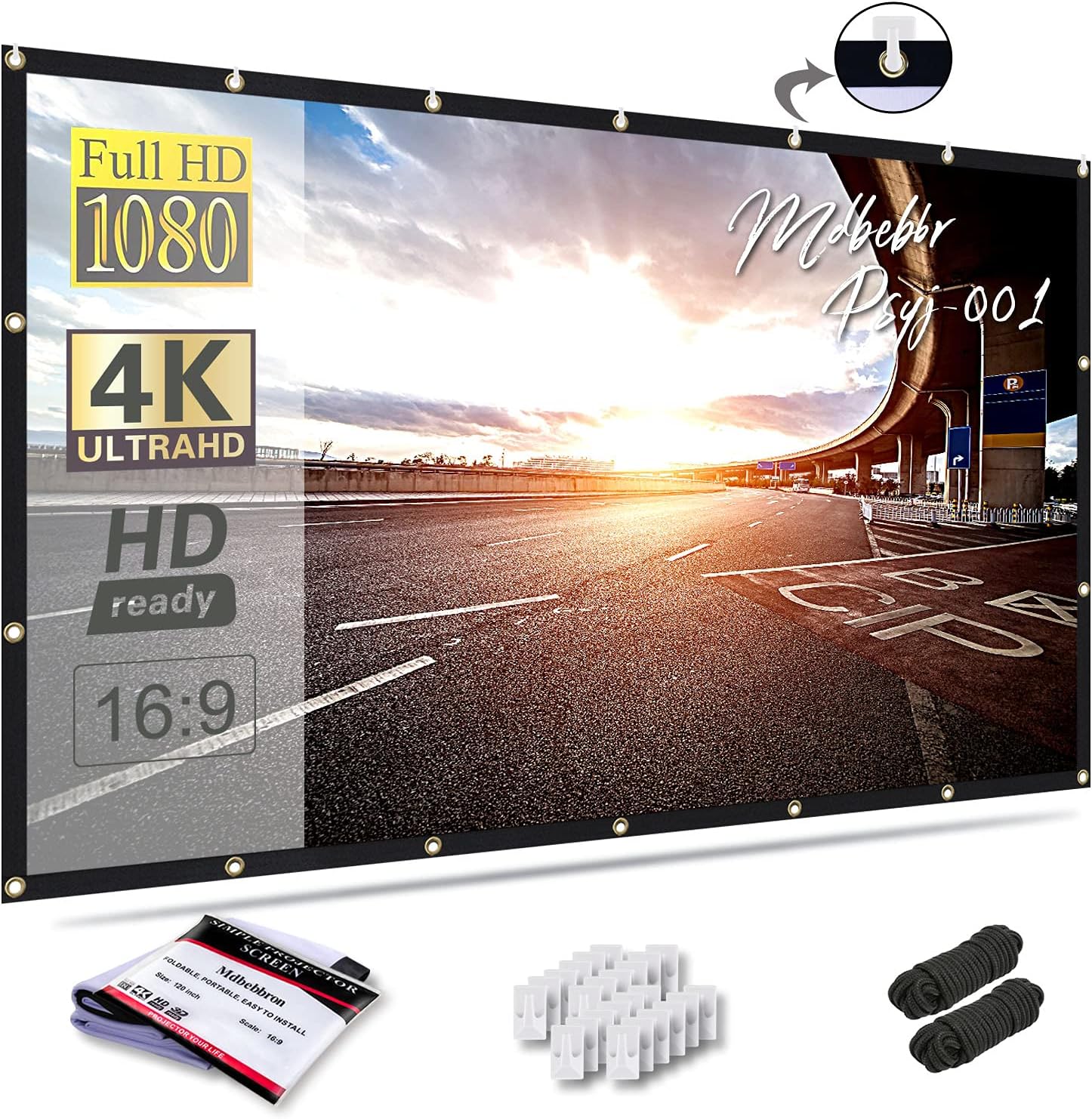
For outdoor use, a washable and durable fabric is a must. The Mdbebbron and AAJK screens both use materials that can be hand or machine washed, ensuring easy maintenance after a night under the stars.
Size and Aspect Ratio
Screen size is a personal choice, but it should match your projector’s throw distance and your room’s dimensions. A 120-inch screen is a sweet spot for most home setups, offering an expansive view without overwhelming a typical living room. For larger outdoor gatherings, a 150-inch screen can create a true cinematic feel. Most screens come in a 16:9 aspect ratio, which is standard for modern projectors and content.
If you’re unsure about the right size for your space, our best portable projector screen article offers insights into sizing and portability.
Setup and Portability
Consider how you plan to use the screen. If you want a permanent home theater setup, a fixed frame or pull-down screen might be ideal. But for flexibility, a foldable screen that you can hang with hooks or tape is perfect for both indoor and outdoor use. Some screens come with a stand, which simplifies setup and ensures stability, especially outdoors where wind can be a factor.
For those who love to travel, a portable screen that folds into a backpack is a game-changer. The ZUVMITG model includes a carry bag and sandbags for extra stability, making it a top choice for camping trips.
Viewing Angle and Compatibility
A wide viewing angle ensures everyone in the room sees a clear, bright image, even from the sides. Look for screens with a 160-degree viewing angle, which is standard for most quality screens. Also, verify that the screen supports your projector’s resolution, whether it’s 1080p or 4K. All the screens we reviewed handle 4K content, so you’re future-proofed.
For more on 4K projectors, see our best 4K projector for home picks.
Final Thoughts
In the end, the best projector screen for home cinema depends on your specific needs. For a versatile, budget-friendly option that’s perfect for both indoor and outdoor use, the Mdbebbron 120 inch Projector Screen 16:9 Foldable is a fantastic choice, offering a large viewing area and easy portability. If you prioritize stability and all-weather durability, the 120inch Projector Screen with Stand by ZUVMITG is your go-to, with its windproof kit and premium fabric. Whichever you choose, you’re on your way to a more immersive movie night.
Frequently Asked Questions
Can I use a projector screen outdoors?
Absolutely. Many screens are designed for outdoor use, with materials that resist wrinkles and can withstand light weather. For windy conditions, look for screens with stakes, ropes, or sandbags, like the ZUVMITG model, to keep it stable.
How do I remove wrinkles from a projector screen?
Most modern screens are made from anti-crease materials, but if wrinkles appear, you can gently iron the fabric on a low heat setting or use a steamer. Always check the manufacturer’s instructions, as some materials can be damaged by high heat.
What size projector screen do I need for a home theater?
The ideal size depends on your room and projector. A 120-inch screen is a popular choice for living rooms, providing a large image without overwhelming the space. For larger rooms or outdoor venues, a 150-inch screen can be more impressive. Measure your viewing distance and check your projector’s throw ratio for the best fit. You can also explore our projector screens category for more options.
Can I project from behind a projector screen?
Yes, some screens support rear projection. The Mdbebbron screen, for example, supports double-sided projection, allowing you to place the projector behind the screen for a cleaner setup. This is great for trade shows or window displays.
For more home cinema inspiration, check out our best portable projector for home guide.