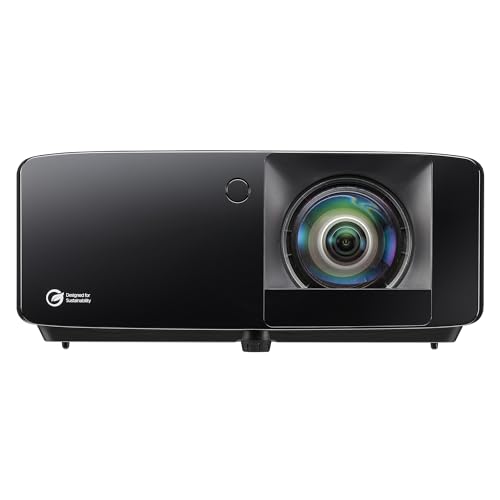

Picture this: you’ve invested in a premium ultra-short-throw projector, but in your bright living room, the image looks washed out and dull. The culprit? Ambient light from windows and overhead fixtures. An ALR (Ambient Light Rejecting) screen is the solution, designed to reject unwanted light while enhancing contrast and color. In this guide, we’ve reviewed the top ALR screens for UST projectors to help you find the perfect match for your space.
Whether you’re a movie enthusiast, a gamer, or someone who wants a crisp image for daytime viewing, this guide covers three standout models. We’ll break down their key features, strengths, and ideal use cases, so you can make an informed decision. Let’s dive in and find the best ALR screen for your UST projector.


Buying Guide: What to Look for in an ALR Screen for UST Projector
Choosing the right ALR screen involves more than just picking the largest size. Here are the key factors we considered when evaluating these products.
Ambient Light Rejection Percentage
The core purpose of an ALR screen is to reject ambient light. The percentage indicates how much light is blocked. A screen with 85% rejection is suitable for moderately lit rooms, while a 95% rejection screen excels in brighter environments. For example, the NothingProjector Black Series claims up to 95% rejection, making it a strong contender for sun-drenched spaces. If your room has controlled lighting, a lower percentage might suffice, but for flexibility, aim higher.
We’ve seen how effective high-rejection screens can be in our best ALR screen for bright rooms guide, and the same principles apply here.
Screen Material and Build Quality
The material affects image clarity, durability, and flatness. Look for screens with multi-layer optical structures, like the PET Crystal technology in NothingProjector models, which enhance contrast and reduce glare. A sturdy aluminum frame with a tension system ensures a wrinkle-free surface, crucial for a premium viewing experience. The Generic model’s PVC material with self-healing properties is a plus for longevity.
For more on screen materials and their impact, our guide to the best projector screen for home offers additional insights.
Gain and Viewing Angle
Gain measures how much light the screen reflects. A gain of 0.8 (like the Generic model) is typical for ALR screens, balancing brightness and contrast. Viewing angle is equally important; a wider angle (e.g., 170° on the Black Series) ensures everyone in the room sees a clear image. If you have a wide seating arrangement, prioritize a screen with a generous viewing angle.
Consider your room’s layout and how you watch content. A screen with a narrow viewing angle might be fine for a dedicated theater room, but a living room calls for flexibility.
Compatibility and Installation
Ensure the screen is designed for UST projectors, as their unique optical path requires specific screen technology. Also, check the frame size and mounting system. Most fixed frame screens come with a wall-mount kit, but installation effort varies. The NothingProjector models feature a slim 10mm frame for a sleek look, and the Generic screen includes a dual-frame design for extra stability. If you’re not handy, look for easy-to-follow instructions and consider a two-person setup.
For a deeper dive into 4K compatibility, our top 4K projector screens article covers what to expect from high-resolution screens.
Final Thoughts
After evaluating these three ALR screens, it’s clear that the right choice depends on your specific needs. For those seeking a budget-friendly option without compromising on quality, the ALR Screen for UST Projector from Generic offers excellent value with its 95% light rejection and sturdy build. On the other hand, if you need a larger screen with superior daylight performance and a wider viewing angle, the NothingProjector ALR Screen for Ultra Short Throw Black Series is a premium investment that transforms any bright room into a cinematic space. Both are outstanding, but your decision should align with your room’s lighting and your viewing habits.
Frequently Asked Questions
What is an ALR screen for a UST projector?
An ALR (Ambient Light Rejecting) screen is specifically designed for ultra-short-throw projectors. It features a micro-structure that rejects light from above (like ceiling lights) while reflecting the projector’s light from below, resulting in a brighter, more contrasted image even in well-lit rooms.
How much ambient light can an ALR screen reject?
Most ALR screens reject between 85% and 95% of ambient light. The higher the percentage, the better the screen performs in bright environments. For example, the NothingProjector models offer 85% and 95% options, catering to different lighting conditions.
Do I need a special screen for a UST projector?
Yes, UST projectors have a unique optical path that requires a screen with a specific micro-toothed structure. Using a regular screen can result in a dull, washed-out image. ALR screens are engineered to work with UST projectors to maximize brightness and contrast.
Can I install an ALR screen myself?
Yes, most fixed frame ALR screens come with a full installation kit and instructions. However, due to the size and weight, we recommend having at least two people for installation to avoid damage and ensure proper alignment. For more tips, check our best projector screen for home theater guide.