

Imagine settling in for a movie night, only to have the image on your wall look dull and washed out. A great projector deserves an equally great screen to shine. Whether you are setting up a dedicated home theater, planning backyard movie nights, or need a portable solution for camping, the right screen makes all the difference. This guide breaks down six top-rated projector screens for home use, from budget-friendly portable options to premium motorized models, helping you find the perfect match for your space and viewing habits in 2026. For more insights, check out our guide on the best projector screens for home cinema.




Buying Guide: What to Look For in a Home Projector Screen
Screen Size and Aspect Ratio
The size of your screen should match your room dimensions and viewing distance. Most home content uses a 16:9 aspect ratio, which is standard for movies and TV shows. A 120-inch diagonal screen is a popular choice for living rooms, offering an immersive experience without overwhelming the space. For larger dedicated rooms, a 150-inch screen can create a true cinematic feel. Consider your projector’s throw distance to ensure the image fills the screen properly.
Portable screens often come in sizes like 80 or 100 inches, balancing big-screen impact with easy transport. Fixed-frame or motorized screens are typically larger and stay in place. Think about whether you need a permanent installation or something you can pack up after each use. Our guide on best portable projector screens can help if portability is your priority.
Material and Gain
The screen material directly affects image brightness, contrast, and viewing angles. Gain measures how much light the screen reflects; a gain of 1.0 is neutral. Higher gain (e.g., 1.1 or 1.3) can boost brightness but may narrow the viewing angle or create hotspots. Most home screens use matte white or gray fabrics. White screens work well in dark rooms, while gray screens improve black levels in ambient light.
Look for materials that are wrinkle-resistant and easy to clean. Many portable screens use polyester or milk silk fabric that can be hand-washed. For motorized screens, materials like MaxWhite 2 offer ISF certification for color accuracy. If you have a bright room, consider an ALR (ambient light rejecting) screen, which you can learn more about in our guide on best ALR screens for bright rooms.
Installation and Portability
How you plan to use the screen determines the best installation type. Fixed-frame screens offer a sleek, permanent setup for dedicated theaters. Motorized screens retract into a ceiling-mounted case when not in use, keeping the room clean. Portable screens with stands or foldable designs are ideal for outdoor movie nights or camping trips, requiring no tools and packing into a carrying bag.
Ease of setup is crucial for portable models. Look for features like quick-assembly frames, included stakes and sandbags for wind resistance, and lightweight materials. For indoor use, a wall-mounted or ceiling-mounted screen provides a more polished look. A motorized screen with a remote adds convenience, especially in a home theater setup where you want to hide the screen when watching TV or gaming. For more on home theater setups, see our best projector screen for home theater guide.
Compatibility with Your Projector
Not all screens work with every projector. Ensure the screen’s aspect ratio (usually 16:9) matches your projector’s native resolution. Also, check the throw ratio: standard projectors need a certain distance to fill a large screen, while ultra-short-throw projectors require a special screen with a different material to avoid hotspots. Most home projectors are standard throw, but always verify before buying.
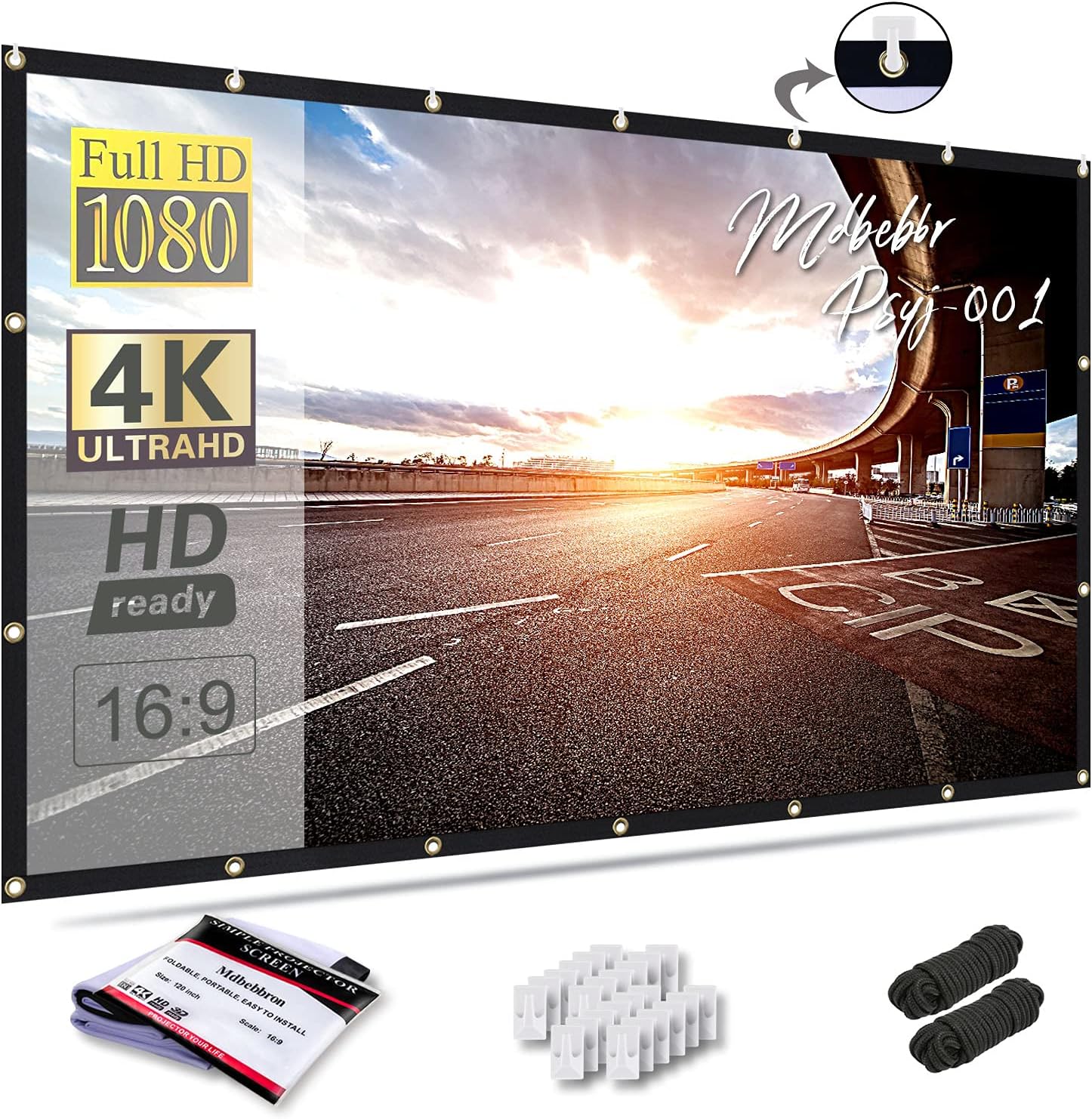
If you have a 4K projector, choose a screen that supports 4K resolution for sharp details. Many modern screens are labeled 4K Ultra HD ready. For a portable projector like the Aurzen Roku TV D1R Smart Portable Outdoor, a lightweight, foldable screen is a great match. For a permanent home theater, a motorized screen with a high-gain material pairs well with a dedicated home cinema projector. Explore more projector options in our best portable projector for home guide.
Final Thoughts
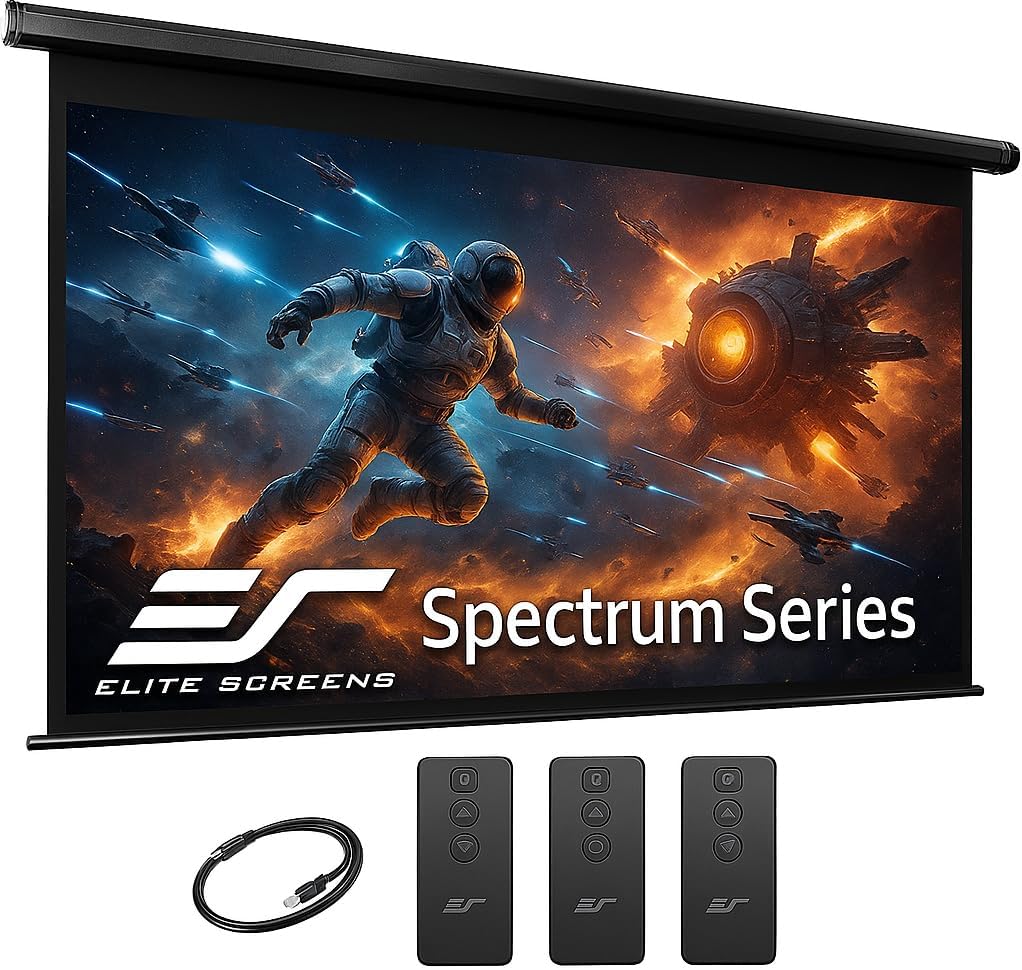
Choosing the best projector screen for home in 2026 comes down to balancing your space, budget, and how you plan to use it. For a versatile, all-in-one solution that combines a projector and screen, the Aurzen Roku TV D1R Smart Portable Outdoor stands out with its built-in streaming and auto-setup features. If you prefer a dedicated screen for a permanent home theater, the Projector Screen Elite Screens Spectrum offers a premium motorized experience with excellent image quality for 4K content. Whichever you choose, a quality screen will elevate every movie, show, and game night.
Frequently Asked Questions
What size projector screen should I get for my living room?
For a typical living room, a 100-inch to 120-inch diagonal screen is a good starting point. Measure your viewing distance: a general rule is to sit at a distance 1.5 to 2.5 times the screen width. A 120-inch screen is about 104 inches wide, so you would want to sit 13 to 17 feet away. If your room is smaller, consider an 80-inch screen.
Can I use a portable projector screen outdoors?
Yes, many portable screens are designed specifically for outdoor use. Look for models with windproof accessories like ground stakes, ropes, and sandbags to keep the screen stable in a breeze. Materials like polyester or milk silk are durable and washable, making them ideal for backyard movie nights. The 120inch Projector Screen with Stand includes a complete windproof kit for this purpose.
Do I need a special screen for a 4K projector?
While any screen can show a 4K image, a screen designed for 4K will deliver sharper details and better color accuracy. Look for screens labeled “4K Ultra HD ready” or those with a material that has high resolution support. The Projector Screen Elite Screens Spectrum is certified for 4K and 8K content, ensuring you get the most out of your projector.
How do I clean a projector screen?
Most portable screens are made from washable materials. You can spot-clean stains with mild soap and water, or hand-wash and air-dry the fabric. For motorized or fixed-frame screens, use a soft, dry microfiber cloth to gently dust the surface. Avoid using harsh chemicals or abrasive cleaners, as they can damage the reflective coating.


