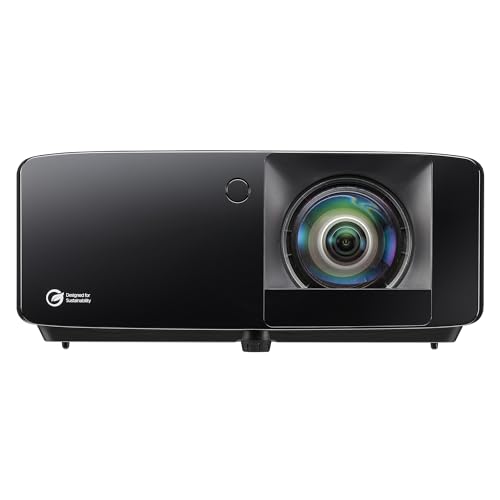

You have a bright living room or a home office where sunlight pours in, and your standard white projector screen washes out completely. Every movie night or presentation feels like a compromise. That is where an ambient light rejecting (ALR) screen changes everything. ALR technology selectively filters out stray light from the sides while preserving the projector’s brightness aimed at the audience. But many high-performance ALR screens cost a small fortune. This guide focuses on the best budget ALR projector screen options for 2026, proving you do not need to spend thousands to get a crisp, contrast-rich image even with lights on. We have reviewed three affordable models from VISULAPEX, XIAOHUI, and SILVERMAGIC that deliver real ALR performance without the premium price tag.


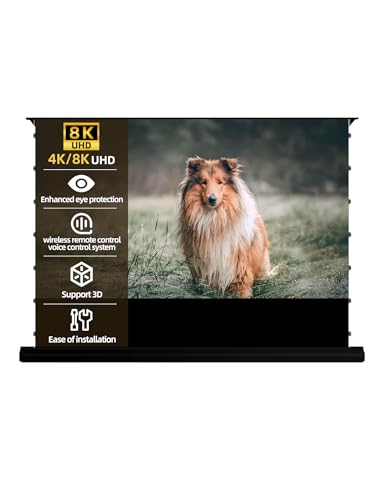
Buying Guide: What to Look for in a Budget ALR Screen
Gain and Ambient Light Rejection Ratio
Gain measures how much light the screen reflects back to the viewer. A higher gain (e.g., 1.5 or 2.7) boosts brightness from the center seating position. However, very high gain can narrow the viewing angle. For a budget ALR screen, look for a gain between 1.0 and 2.7. The ambient light rejection percentage matters too. Some screens reject up to 90% of ambient light, while others handle about 30%. Choose based on your room’s brightness. For a deeper dive into performance for bright spaces, read our guide on the best ALR screen for bright rooms.
Screen Material and Build Quality
Budget ALR screens use specialized materials like PVC with a gray or black backing to block light transmission. The surface must be wrinkle-free for a flat image. Portable screens with tripod stands offer flexibility, while DIY material rolls let you build a custom frame. Check the thickness and stitching. A sturdy frame or metal poles prevent sagging over time. The VISULAPEX model uses a robust tripod and black backing, while the SILVERMAGIC material uses a patented tape for a flat, fixed-frame look.
Size and Aspect Ratio Compatibility
Most budget ALR screens come in standard 16:9 aspect ratios and sizes from 80 inches to 120 inches diagonal. Measure your wall or viewing distance before buying. A larger screen (120 inches) offers an immersive experience but requires enough throw distance from your projector. Portable screens with adjustable height, like the VISULAPEX model, add flexibility for different rooms. For UST projectors, you need a specialized screen with a different optical structure; check our best ALR screen for UST projector list if you own a short throw model.
Installation and Portability
Consider how you plan to use the screen. If you move between indoor and outdoor locations, a lightweight portable screen with a carry bag is ideal. For a permanent home theater setup, a DIY material that attaches to a frame or wall offers a cleaner look. Some screens use adhesive tape for a no-drill installation. The XIAOHUI model uses hooks and metal poles for a quick wall mount, while the VISULAPEX stand sets up in two minutes.
Final Thoughts
Choosing a budget ALR projector screen does not mean sacrificing image quality. For a versatile portable option that works indoors and out, the Projector Screen with Stand from VISULAPEX offers a high gain of 1.5, a wrinkle-free surface, and a quick setup that is perfect for movie nights or camping trips. If you prefer a permanent, high-contrast solution for a dedicated media room, the ALR Projector Screen Material for Standard Throw from SILVERMAGIC delivers an impressive 2.7 gain and easy DIY installation. Both models prove that effective ambient light rejection is accessible at a reasonable price, letting you enjoy vivid, watchable images in any lighting condition.
Frequently Asked Questions
Do budget ALR screens really work in bright rooms?
Yes, budget ALR screens use a gray or black surface and micro-structures to absorb or redirect ambient light. Models like the VISULAPEX screen reject over 90% of side light, making daytime viewing possible without closing curtains. However, they work best with a projector that has decent brightness (at least 2,000 lumens).
Can I use a budget ALR screen with an ultra short throw projector?
Most budget ALR screens are designed for standard throw projectors. UST projectors require a special optical screen with a different angle of light rejection. The SILVERMAGIC material explicitly states it is not for UST projectors. For UST compatibility, look for screens labeled specifically for ultra short throw.
How do I install a DIY ALR screen material?
DIY ALR screen material like the SILVERMAGIC model comes with a patented wall-safe tape. You simply stick it to a clean, smooth wall or a wooden frame. The material can be trimmed to size with scissors. For a wrinkle-free result, apply even tension while attaching. This method avoids the need for a bulky frame.
What gain should I look for in a budget ALR screen for 2026?
A gain between 1.0 and 2.7 is ideal for most rooms. Higher gain (2.7) boosts brightness for larger screens or darker projectors, but may narrow the sweet spot. Lower gain (1.0 to 1.5) offers wider viewing angles and better black levels. Choose based on your seating arrangement and projector brightness.